
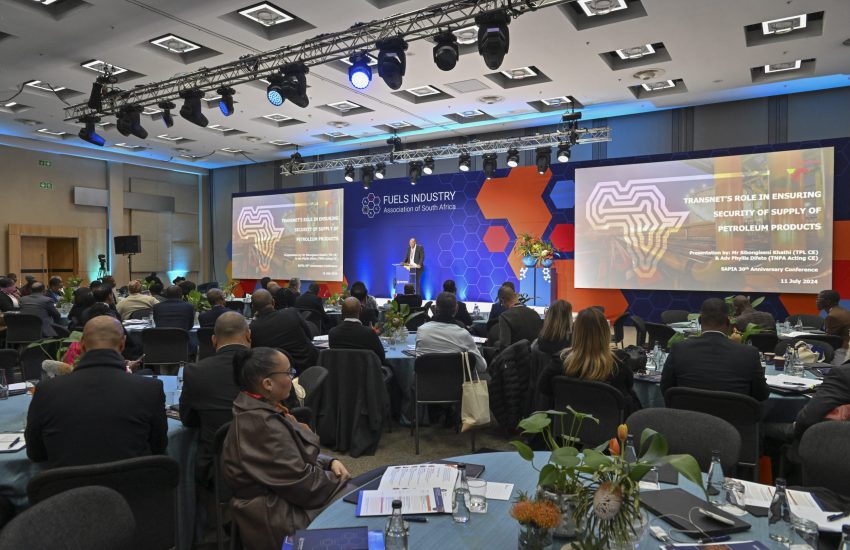
Johannesburg, Wednesday, 20 May 2026 – The Fuels Industry Association of South Africa will host the inaugural Fuels Industry Imbizo 2026, bringing together government, regulators, industry leaders, and international experts to engage on the future of South Africa’s fuels and mobility system at a time of significant structural and economic change.
The Imbizo takes place against a backdrop of shifting energy security risks, evolving mobility technologies, infrastructure pressures, and heightened geopolitical uncertainty, all of which are reshaping how energy systems are planned, regulated, financed, and delivered.
Over two days, the programme will focus on Clean Fuels II readiness, fuel pricing dynamics, LPG expansion, biofuels integration, infrastructure resilience, and the impact of geopolitical developments on global fuel supply chains. A key focus will be South Africa’s preparation for the implementation of Clean Fuels II regulations scheduled for 1 July 2027. The regulations represent a structural shift in fuel quality standards and broader alignment with global emissions frameworks, with implications for investment decisions, refinery configuration and infrastructure readiness, and long-term sector competitiveness.
Speaking on the sidelines of the Budget Vote Stakeholder Engagement hosted by the Department of Mineral and Petroleum Resources in Cape Town yesterday, Chief Executive of the Fuels Industry Association of South Africa, Avhapfani Tshifularo, said the transition reflects a defining moment for the sector.
“Clean Fuels II is a structural shift for South Africa’s fuels industry. It requires alignment between policy intent, technical and infrastructure capability, and investment decision making across the value chain to ensure long-term resilience, compliance readiness, and competitiveness,” he said.
He added that the Imbizo will therefore provide a strategic platform for government, regulators, financiers, and technology providers to engage directly on the practical realities of transition planning, regulatory alignment, infrastructure investment, and the future sustainability of the fuels value chain.
Day One will focus on energy and mobility transformation, including electric, hydrogen, hybrid, and biofuel technologies and their impact on long term fuel demand, system planning, and capital investment decisions. Day Two will address energy security and system stability, including fuel pricing frameworks, LPG access, and infrastructure resilience across pipelines, storage, and logistics networks. Discussions will also examine how global geopolitical risks continue to influence supply security, trade flows, and pricing volatility in import dependent markets.
“The energy transition is not happening in silos. It is simultaneously reshaping policy, markets, infrastructure, and consumer behaviour. The Fuels Industry Imbizo creates a credible platform where these interdependencies can be understood, interrogated, and engaged with constructively,” said Phila Mzamo, Head of Communications at the Fuels Industry Association of South Africa.
She added that the Imbizo is designed to support clarity, alignment, and informed dialogue during a complex transition period, and will also be open to broader public participation from stakeholders interested in the fuels and energy sector.
“The programme features local and international speakers, panellists, and exhibitors, reflecting the global nature of energy transition challenges and opportunities. Institutional participation from the Department of Mineral and Petroleum Resources and the National Energy Regulator of South Africa will provide regulatory engagement opportunities for stakeholders, including direct interface on licensing, compliance processes, and sector oversight for current and prospective market participants,” she concluded.
The Fuels Industry Imbizo 2026 is supported by industry stakeholders including Engen, Easigas, bpSA, First National Bank, Sasol, TotalEnergies, Oryx Energies, Soliflo.
ENDS
About the Association:
The Association represents the collective interests of the South African fuels industry and plays a strategic role in addressing a range of common issues relating to the refining, distribution, and marketing of liquid fuels and transportation energy products, as well as promoting the industry’s environmental and socio-economic progress. The Association fulfils this role by contributing to the development of fuels industry regulation; proactively engaging with key stakeholders; sharing research information; providing expert advice; and communicating the industry’s views.
Kindly note that the Fuels Industry Association of South Africa does not have an acronym. First mention is ‘the Fuels Industry Association of South Africa’, second mention is ‘the Fuels Industry Association’ or ‘the Association’.

