
Sustainability in the oil and gas sector refers to how companies manage environmental, social, and economic impacts while continuing to meet global energy demand especially during the transition to lower-carbon energy systems.
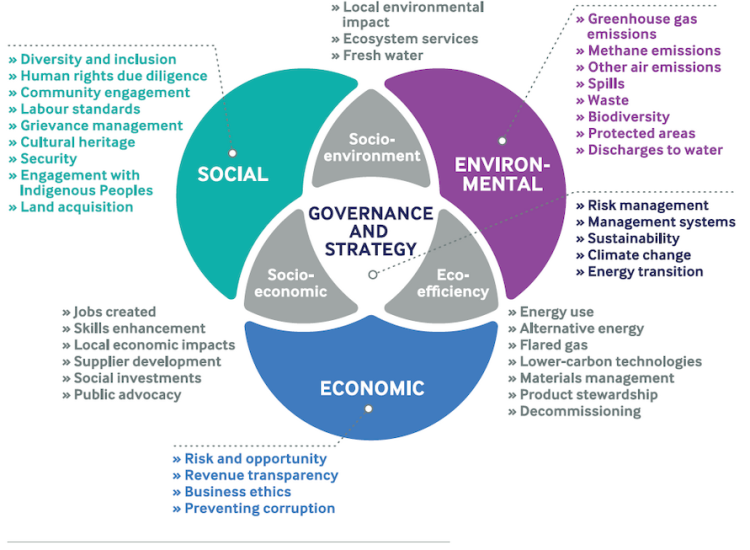
The figure above the broad range of sustainability issues in the Oil & Gas Sector (Source: IPIECA, 2026)
Our Sustainability Agenda includes:
1. Environmental Sustainability
- Decarbonisation: Reducing greenhouse gas emissions through energy efficiency, electrification, and carbon capture and storage technologies.
- Clean fuels: Lowering sulphur and improving fuel quality to reduce air pollution.
- Methane management: Detecting and reducing methane leaks, a major short-term climate driver.
- Water and biodiversity: Minimising water use, preventing contamination, and protecting ecosystems in exploration and production areas.
2. Energy Transition Role
- The sector is shifting from being purely fossil fuel-based to a broader energy provider, investing in renewables, green hydrogen, and biofuels.
- Natural gas is often positioned as a “transition fuel” due to lower emissions compared to coal.
3. Social Responsibility
- Health and safety: Strong focus on zero harm cultures and operational safety.
- Community impact: Managing land use, local economic development, and stakeholder engagement.
- Just transition: Supporting workers and communities affected by the shift away from fossil fuels.
4. Governance and Regulation
- Compliance with environmental laws, reporting frameworks, and global standards.
- Increasing transparency on emissions, climate risks, and sustainability performance.
5. Key Challenges
- Balancing ongoing fossil fuel demand with climate commitments.
- High capital costs for low-carbon technologies.
- Policy uncertainty and uneven global regulation.
Sustainability in the oil and gas sector is no longer a compliance exercise—it is a strategic transformation agenda. It requires balancing reliable energy supply, decarbonisation, stakeholder expectations, and long-term value creation, all under increasing regulatory and societal pressure.
Future Outlook
- Transition from “oil & gas companies” to “integrated energy companies.”
- Greater role of carbon management businesses (capture, transport, storage).
- Increased collaboration across sectors (energy, mining, chemicals, utilities).
- Stronger localisation of sustainability strategies, particularly in regions like Africa where development and energy access remain priorities.
BIODIVERSITY & NATURE
In oil and gas sector, biodiversity and nature considerations focus on how operations interact with ecosystems; from exploration to decommissioning; and how companies avoid, minimise, and restore environmental impacts while maintaining energy supply. Biodiversity and nature targets are commitments by companies and governments to protect, restore, and sustainably manage ecosystems while reducing negative impacts on nature.
Global Framework
- The most important global reference is the Convention on Biological Diversity and its Kunming-Montreal Global Biodiversity Framework (GBF).
- The GBF includes the “30x30 target” — protecting 30% of land and oceans by 2030.
-
It also calls for:
- Restoration of degraded ecosystems
- Reduction of pollution and invasive species
- Mobilisation of biodiversity finance
Biodiversity Targets
Companies are increasingly setting targets aligned with:
1. No Net Loss / Net Gain
- Ensure operations result in no overall loss of biodiversity, or ideally a net positive impact.
-
Achieved through mitigation hierarchy:
- Avoid
- Minimise
- Restore
- Offset
2. Nature-positive goals
- Move beyond mitigation to actively restore ecosystems and enhance biodiversity by 2030.
3. Zero deforestation
- Eliminate deforestation from operations and supply chains, especially in sensitive ecosystems.
Measurement and Disclosure
-
Growing adoption of frameworks such as:
- Taskforce on Nature-related Financial Disclosures (TNFD) – nature-related risk and impact reporting.
- Science Based Targets Network (SBTN) – science-based targets for nature.
-
Metrics include:
- Land disturbed vs. rehabilitated
- Species abundance and habitat condition
- Water use and ecosystem health
Key Biodiversity Risks
- Habitat loss and fragmentation
- Water pollution and overuse
- Marine ecosystem disruption
- Invasive species introduction
- Cumulative impacts in the region
Strategic Importance
- Increasingly linked to climate risk, water security, and regulatory compliance
- Critical for maintaining social licence to operate
- Emerging as a core ESG and investment criterion
Biodiversity and nature targets are about embedding ecosystem protection and restoration into business decision-making to achieve measurable, nature-positive outcomes while managing environmental and regulatory risk.
BIODIVERSITY & NATURE
In oil and gas sector, biodiversity and nature considerations focus on how operations interact with ecosystems; from exploration to decommissioning; and how companies avoid, minimise, and restore environmental impacts while maintaining energy supply.
Biodiversity and nature targets are commitments by companies and governments to protect, restore, and sustainably manage ecosystems while reducing negative impacts on nature.
Global Framework
- The most important global reference is the Convention on Biological Diversity and its Kunming-Montreal Global Biodiversity Framework (GBF).
- The GBF includes the “30x30 target” — protecting 30% of land and oceans by 2030.
-
It also calls for:
- Restoration of degraded ecosystems
- Reduction of pollution and invasive species
- Mobilisation of biodiversity finance
Biodiversity Targets
Companies are increasingly setting targets aligned with:
-
1. No Net Loss / Net Gain
- Ensure operations result in no overall loss of biodiversity, or ideally a net positive impact.
-
Achieved through mitigation hierarchy:
- Avoid
- Minimise
- Restore
- Offset
-
2. Nature-positive goals
- Move beyond mitigation to actively restore ecosystems and enhance biodiversity by 2030.
-
3. Zero deforestation
- Eliminate deforestation from operations and supply chains, especially in sensitive ecosystems.
HEALTH, SAFETY, SECURITY & ENVIRONMENT (HSSE)
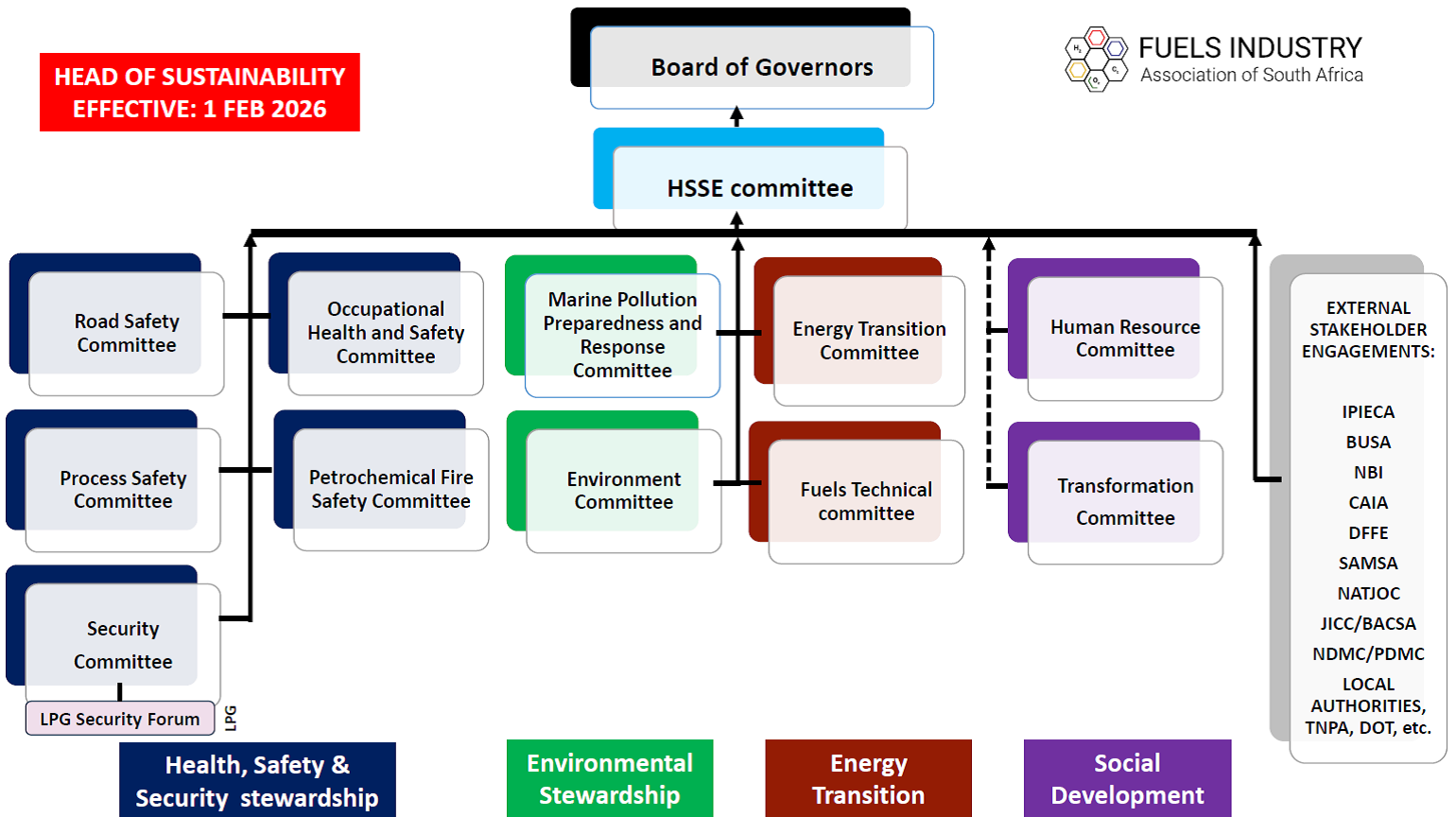
Health, Safety, Security and Environment (HSSE) remains the highest priority for the fuels industry. Integrated HSSE management throughout the supply chain is essential to ensuring that employees return home safely to their families, while minimising or eliminating impacts on the environment, communities and industry assets.
The industry's commitment extends beyond operational boundaries. Through collaboration, the sharing of local and international best practices, learning from incidents, strengthening legislative compliance, empowering employees and contractors, and fostering long-term behavioural change, the industry continues to build a strong and sustainable HSSE culture.
The Association works closely with its members and key stakeholders to promote continuous improvement and industry-wide excellence in HSSE performance.
The operating environment continues to evolve rapidly. South Africa faces a range of economic, political, social and operational challenges that directly affect the safe and sustainable operation of the fuels industry. At the same time, the transition to lower-carbon fuels, renewable energy and emerging climate-related risks requires organisations to adapt, strengthen resilience and proactively manage new operational challenges.
Human factors remain fundamental to improving safety performance and reducing operational risk. As the industry evolves, organisations must continue investing in new technologies, skills development and organisational capability to safely manage an increasingly complex operating environment.
Industry Best Practice
The Fuels Industry Association supports the adoption and implementation of globally recognised HSSE frameworks, including the International Association of Oil & Gas Producers (IOGP) Life-Saving Rules (2026), as a foundation for strengthening safety performance across the industry.
Priority Areas
The Association continually reviews its strategic HSSE priorities to ensure they remain aligned with emerging risks and industry needs.
Risk-based decisions are developed by the relevant technical committees and endorsed by the Strategic HSSE Committee and the Board of Governors to address both existing and emerging risks across the industry.
Current priority areas include:
- Reducing HSSE risks that affect people, the environment, industry assets and organisational reputation.
- Reducing road transport risks and collaborating with stakeholders to strengthen third-party transport risk management.
- Developing industry-leading security practices to proactively identify threats and mitigate security risks.
- Strengthening South Africa's national oil spill preparedness and emergency response capability.
- Improving contractor competence and capability through collaborative industry initiatives.
- Supporting the safe implementation of new technologies associated with the energy transition.
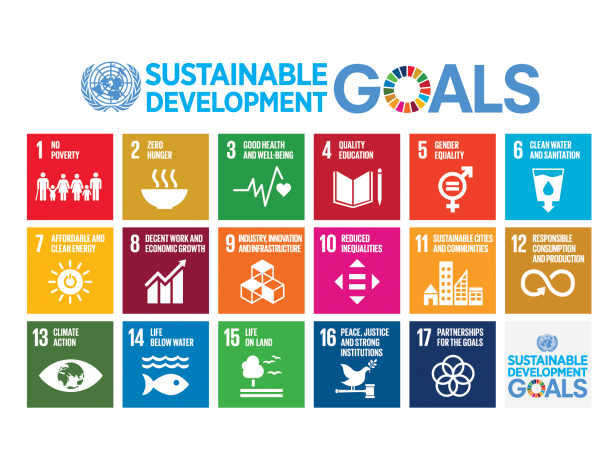
United Nations Sustainable Development Goals
(Source: https://social.desa.un.org/2030agenda-sdgs, 2026)

Source (Anon, 2026)
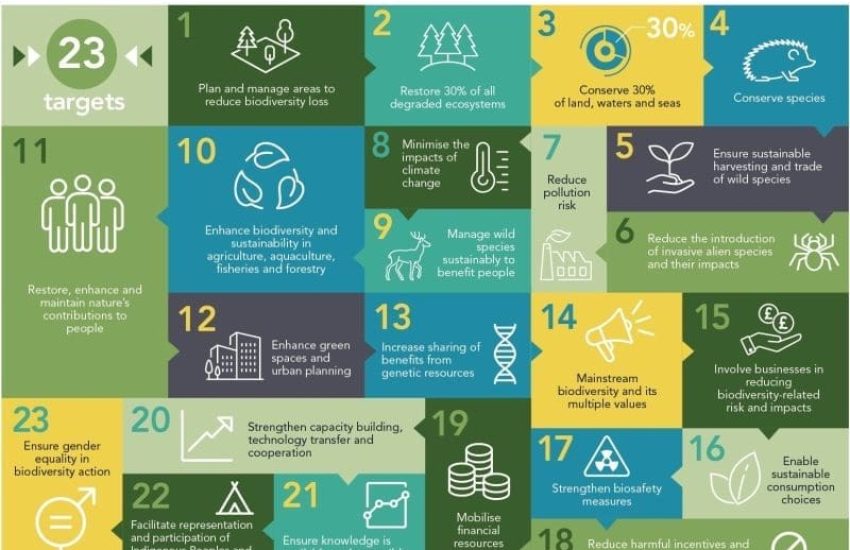
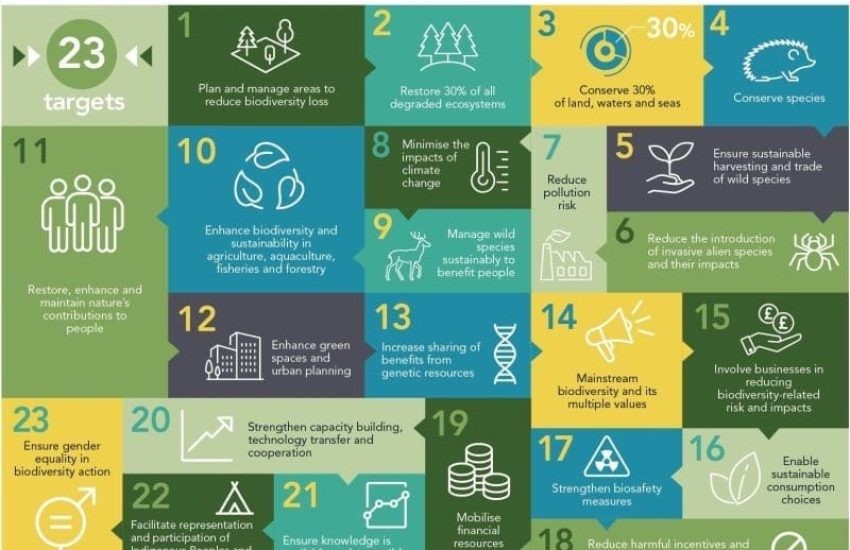
Global Biodiversity Framework (Source: naturepositive.com, 2026)
Measurement and Disclosure
- Growing adoption of frameworks such as:
- Taskforce on Nature-related Financial Disclosures (TNFD) – nature-related risk and impact reporting.
- Science Based Targets Network (SBTN) – science-based targets for nature.
- Metrics include:
- Land disturbed vs. rehabilitated
- Species abundance and habitat condition
- Water use and ecosystem health
Key Biodiversity Risks
- Habitat loss and fragmentation
- Water pollution and overuse
- Marine ecosystem disruption
- Invasive species introduction
- Cumulative impacts in the region
- Increasingly linked to climate risk, water security, and regulatory compliance
- Critical for maintaining social licence to operate
- Emerging as a core ESG and investment criterion
Biodiversity and nature targets are about embedding ecosystem protection and restoration into business decision-making to achieve measurable, nature-positive outcomes while managing environmental and regulatory risk.
Co-Ordinated Effort to Improve Security in the Oil Industry Sector
The DMRE derives its mandate from the White Paper on the Energy Policy of December 1998. The White Paper on Renewable Energy of November 2003 supplements the White Paper on Energy Policy. The Energy Security Master Plan for Liquid Fuels, which was approved by Cabinet in 2007, primarily addresses the short to medium term infrastructural constraints within the sector. A detailed list of the Acts, regulations, working rules, draft regulations, policies and strategy documents can be found here on the Department of Mineral Resources and Energy website.
The oil industry remains unshielded by the local and global socio-economic challenges. Fuel remains a high value commodity. The industry’s security challenges include fuel theft, vehicle hijackings, ATM bombings, armed robberies, piracy, potential terrorist threats, organised syndicates involved in bulk theft, strikes and social unrest among others.
The Fuels Industry Association of South Africa’s focus has been two-fold. An internal focus which includes joint security risk assessments to proactively address potential risks and threats as well as the use of leading security technologies to address some of our security challenges. The external focus is working with industry bodies, government and other stakeholders towards holistically addressing key security challenges such as hijacking and organised crime to name a few.
The Fuels Industry Association of South Africa has taken many steps to prevent crime, such as establishing the health, safety, security and environment committee, security sub-committee and refinery managers’ safety committee whose main focus is to address security issues and manage crime fighting projects. The industry has also united with government, the business sector, and representative associations to fight crime and make South Africa a safer country. The Fuels Industry Association of South Africa maintains an active, industry-wide security and crime prevention programme aimed at maximising the security and well-being of customers, employees, service station forecourts and assets.
The petroleum industry has implemented a number of initiatives to further minimise crime, such as improved cash-handling procedures by retailers and enhanced service station design which includes the addition of bullet-proof glass, panic buttons and closed circuit television systems at forecourts. Service station staff members are being empowered through specialised training programmes in the areas of robbery prevention and survival techniques. Staff members also receive regular information about crime pertinent to their operations in the form of newsletters and alerts. In addition, close liaison is being maintained with the South African Police Service (SAPS) to ensure a full investigation into every crime and to incorporate the findings into enhanced security measures.
Development of an Effective Oil Spill Response Strategy
The Department of Environmental Affairs (DEA), the SA Maritime Safety Authority (SAMSA) and the Fuels Industry Association of South Africa established the Oil Spill Response Advisory Forum (OSRAF) in 2014 to address shortcomings in the National Oil Spill Response Strategy as there were concerns that the existing institutional infrastructure and resources were inadequate to deal with a major oil spill incident at sea. The OSRAF has identified the most pressing issues that need to be addressed in order to achieve an effective strategy.
Road safety awareness campaign involving bulk delivery vehicles
In 2015, the Fuels Industry Association of South Africa embarked on this campaign to:
- Address the high number of road incidents in South Africa.
- Build awareness and educate pedestrians and motorists on the positive and negative impact of behaviour related to pedestrian safety.
- Build awareness and educate pedestrians and motorists on the negative impact of behaviour relating to impaired driving.
- Shift behaviours by focusing on individual responsibilities.
- Establish stakeholder relations to promote and support road safety.
